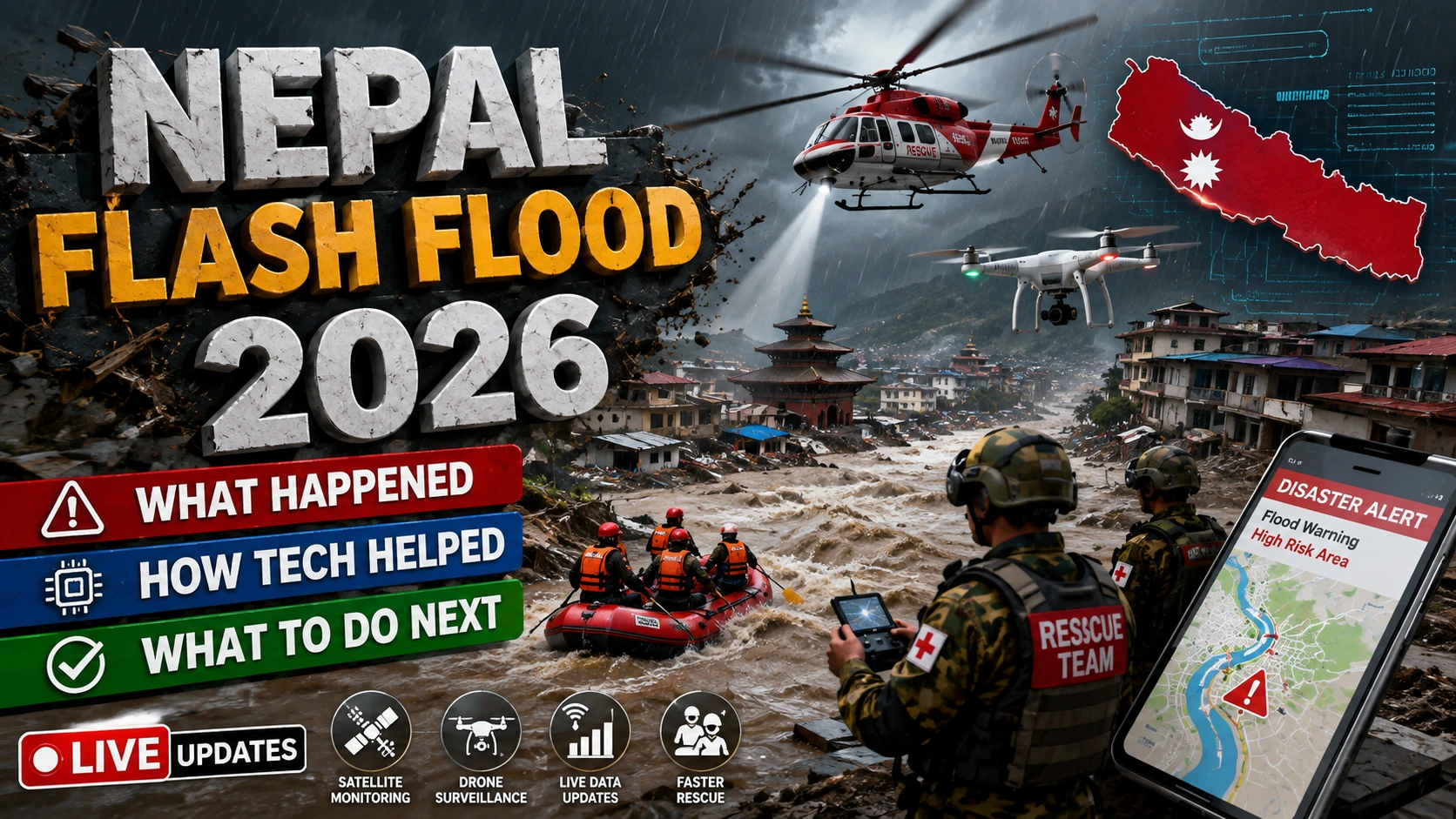
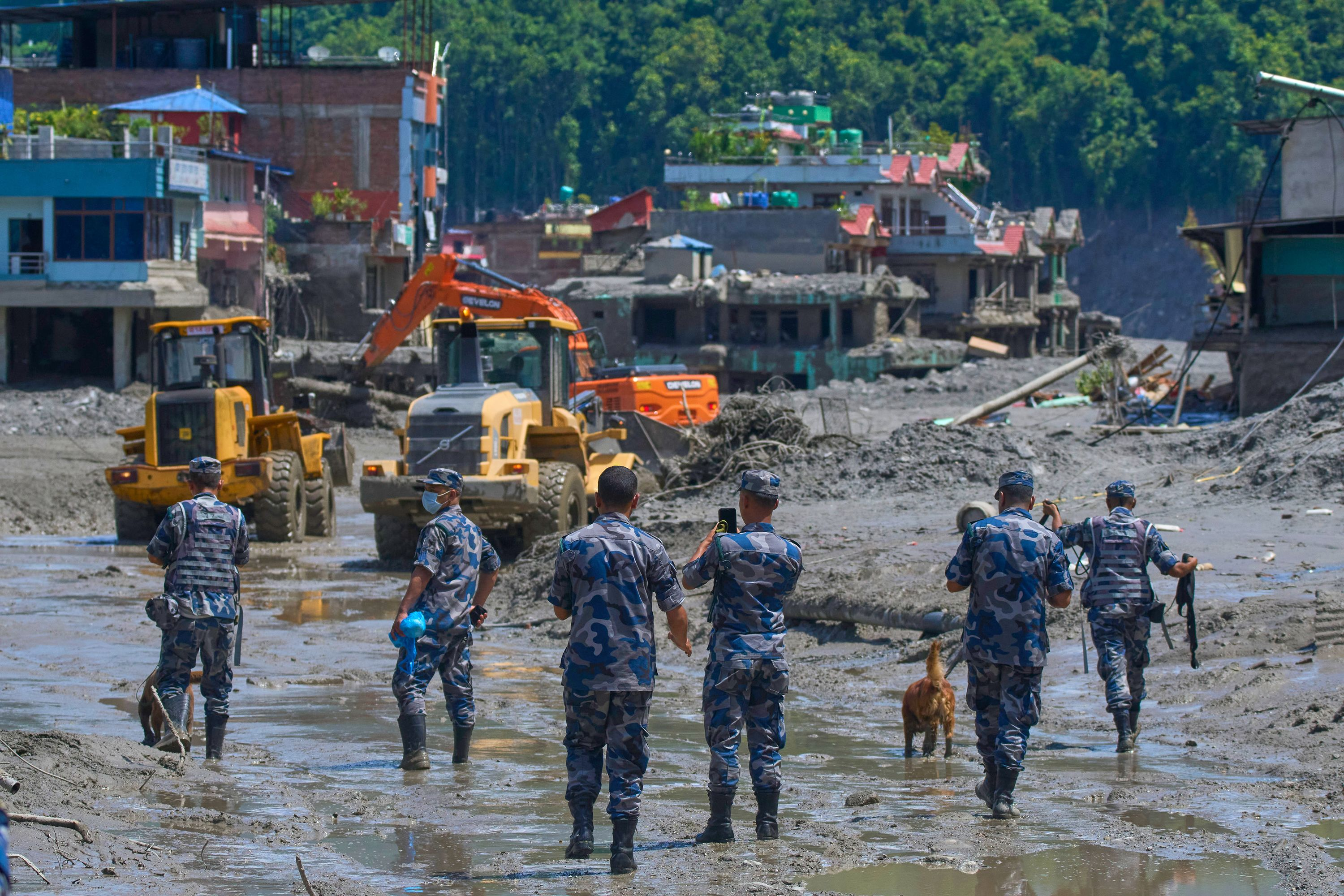
The Nepal Flash Flood 2026 has been a tough reminder of how quickly life can change in mountain regions. One moment it’s raining; the next moment, roads vanish under mud, rivers surge beyond their banks, and families are forced to move fast—often with little time to plan.
If you’re reading this from Nepal, have loved ones there, or you’re simply trying to understand what happened, this post breaks it down in a clear, human way. We’ll talk about why flash floods hit Nepal so hard, what role technology plays during emergencies, and the practical steps that actually help—before, during, and after a flood.
What Makes the Nepal Flash Flood 2026 So Serious?
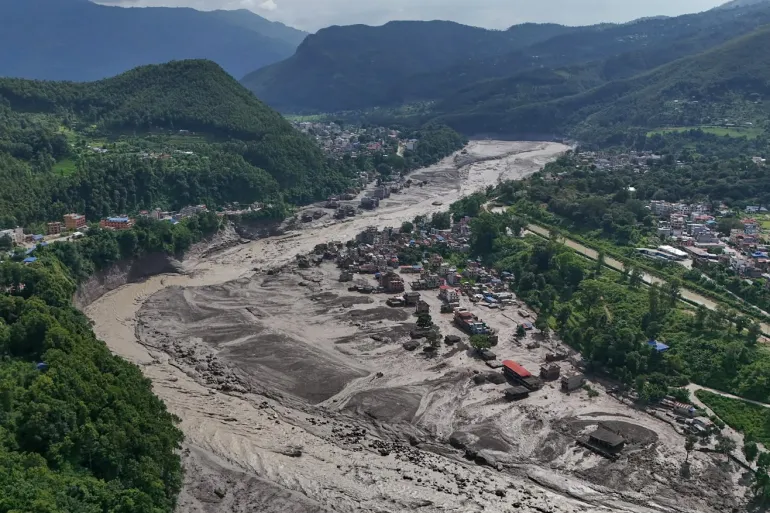
Flash floods are different from “regular” flooding. They can form within minutes or hours, not days. In Nepal, that speed is amplified by steep hills, narrow valleys, fast rivers, and settlements built close to waterways.
In plain words: when water comes down quickly in the mountains, it doesn’t spread out slowly—it rushes downhill like a moving wall.
The Nepal Flash Flood 2026 has also highlighted a painful reality: even when communities know monsoon season is risky, flash floods can still catch people off guard due to sudden cloudbursts, nighttime flooding, or blocked drainage that turns roads into rivers.
Nepal Police (for official notices)
What Causes Flash Floods in Nepal? (Simple Explanation)
It’s rarely just “heavy rain.” Flash floods usually happen when a few risk factors stack up at the same time.
Common triggers behind flash floods
- Intense rainfall in a short time (cloudburst-style rain)
- Overflowing rivers and tributaries after continuous rain upstream
- Landslides that temporarily block a river, then break suddenly (creating a surge)
- Glacial melt or glacial lake overflow risks in high mountain regions
- Urban drainage failures in towns where water has nowhere to go
Why Nepal is especially vulnerable
Nepal’s geography is beautiful—but it’s also extreme. Steep slopes funnel water quickly into river channels. When those channels are already full, even a short burst of rain can push things into danger territory.
Important note: As with most disasters, official investigations and hydrology reports are the best sources for the exact triggers in specific locations. Conditions can differ valley by valley.
Department of Hydrology and Meteorology (DHM)
Which Areas Face Higher Flash Flood Risk in Nepal?
Nepal has many flood-prone corridors, especially where homes, markets, highways, and bridges sit near riverbanks. Risk increases when communities are located:
- Along major river basins and their tributaries
- At the base of landslide-prone hills
- Near narrow gorges, where water accelerates
- In rapidly growing towns with limited drainage planning
Even if you don’t live right next to a river, you can still be affected by:
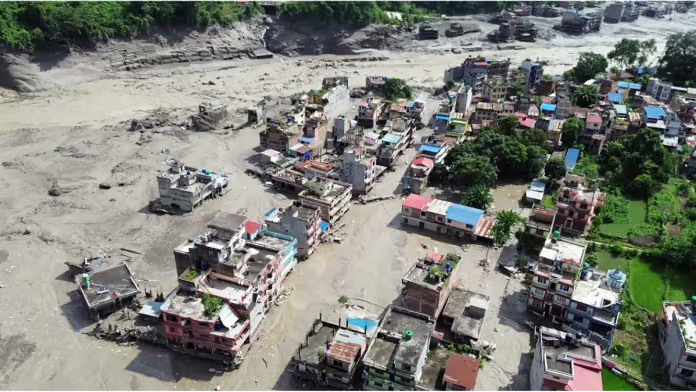
- Road washouts that cut supply lines
- Power and internet disruptions
- Drinking water contamination
- Landslides that block travel routes
The Hidden Dangers People Don’t Expect During a Flash Flood
When people imagine floods, they usually picture standing water. Flash floods are more violent and unpredictable.
Here are some of the most dangerous realities:
1) Water doesn’t need to be deep to be deadly
Fast water can knock adults off balance and sweep away vehicles. A small-looking current can be far stronger than it appears.
2) Floodwater isn’t “just water”
It often carries:
- rocks and debris
- sharp metal, broken glass
- sewage and chemicals
- downed power lines (especially dangerous)
3) Roads and bridges can fail without warning
A road might look usable, but water can erode the base underneath. That’s how vehicles get trapped or swept away.
How Technology Helped During Nepal Flash Flood 2026
This is where the “tech news” angle becomes real—not as gadgets, but as tools that save time, improve decisions, and connect people.
Early warning systems (the most important tech)
Early warning is about one thing: buying time.
Common warning tools include:
- river level monitoring stations
- rainfall gauges
- sirens in vulnerable corridors
- SMS alerts and telecom notifications
- radio and community announcement networks
Even 10–30 minutes of warning can help families move to higher ground and protect essentials.
Satellite mapping and remote sensing
When roads are broken and some regions become hard to reach, satellites help responders see:
- flooded river corridors
- landslide scars and blockage points
- damaged bridges and cut-off routes
This is also critical for planning where to send rescue teams and how to deliver aid.
Drones for rapid assessment
In many disaster zones, drones can:
- check damage without putting people at risk
- locate blocked roads
- scout safe routes for rescue and supply drops
- support search operations in difficult terrain
Drones don’t “solve” the disaster—but they can speed up decision-making when every hour matters.
Social media and crowdsourced updates
During events like the Nepal Flash Flood 2026, social platforms often become real-time noticeboards. People share:
- road closures
- missing-person updates
- shelter locations
- urgent medical needs
That said, misinformation spreads fast too—so it’s best to cross-check posts with local authorities, verified community groups, or reputable outlets.
Emergency communications and power backups
When outages hit, practical tech becomes life-saving:
- power banks and solar chargers
- portable radio sets
- offline maps
- battery-supported mobile towers (where available)
In a flash flood, staying connected isn’t a luxury—it’s safety.
What To Do If You’re in Nepal: Simple Safety Steps That Matter
If you’re in a flood-risk area, don’t wait until you “see” the flood. By the time you see it, it may be too late.
Before heavy rain or warnings
Prepare a small “grab bag” with:
- IDs and important documents (in waterproof pouch)
- basic medicines + first aid
- phone charger/power bank
- drinking water and dry snacks
- flashlight
- warm layer/blanket
Also:
- save key phone numbers (local ward office, police, health post)
- identify higher ground near your home (not near steep slopes)
- keep a plan for children, elderly family members, and pets
During a flash flood
- Move to higher ground immediately
- Avoid bridges if water is rushing aggressively underneath
- Do not drive through flooded roads
- Stay away from riverbanks and drainage channels
- If you’re told to evacuate, evacuate early—don’t negotiate with time
After the water recedes
- Avoid touching wet electrical equipment
- Don’t drink tap/river water until safety is confirmed or boiled/treated
- Watch for landslides (they often follow floods)
- Photograph damage for insurance/relief documentation if safe
- Check on neighbors—especially elderly or isolated households
How to Help (Without Accidentally Making Things Worse)
A lot of people want to support after Nepal Flash Flood 2026. That’s good. The best help is organized, verified, and respectful.
Smart ways to support relief
- Donate through trusted organizations with transparent reporting
- Support local groups that know the terrain and communities
- Share verified emergency numbers and shelter details
- Offer transport/logistics support only if coordinated with local authorities
Avoid these common mistakes
- Sending random goods that don’t match real needs
- Sharing unverified rumors about “new floods coming”
- Flooding emergency hotlines with non-urgent calls
If you’re outside Nepal, financial support is often the most flexible help because it allows responders to buy exactly what’s needed locally.
What Nepal Can Learn Long-Term From Nepal Flash Flood 2026
Every major flood pushes the same question: what can be improved so the next one is less damaging?
Stronger systems—not just stronger walls
Flood control isn’t only about building barriers. Long-term safety usually includes:
- better land-use planning (not building too close to high-risk banks)
- updated floodplain maps
- slope stabilization and landslide prevention work
- drainage upgrades in expanding towns
- community training and evacuation drills
Smarter forecasting and local warnings
Nepal doesn’t just need forecasts—it needs hyper-local alerts that reach people fast. That means improving the “last mile” of communication: sirens, SMS, radio, and community-led networks.
Climate reality (said simply)
Rainfall patterns are becoming less predictable in many parts of South Asia. That doesn’t mean every flood is “because of climate change,” but it does mean planning needs to assume more extremes and faster shifts.
FAQs About Nepal Flash Flood 2026
What caused the Nepal Flash Flood 2026?
Flash floods in Nepal commonly happen due to intense rainfall, overflowing rivers, landslide-dammed rivers bursting, and drainage failures. For exact causes in a specific district, follow official hydrology and disaster authority updates.
Which parts of Nepal are most at risk of flash floods?
Areas near riverbanks, narrow valleys, steep slopes, and landslide zones are generally at higher risk—especially during monsoon periods. Risk can also rise in growing towns with weak drainage systems.
How can I stay safe during a flash flood in Nepal?
Move to higher ground early, avoid driving through floodwater, stay away from riverbanks, and follow local evacuation instructions. Keep a small emergency bag and a family contact plan ready during heavy rain.
How do early warning systems work in Nepal?
Early warnings usually combine rainfall gauges, river level monitoring, forecasts, and community alert methods like sirens, SMS, radio, and local announcements. The goal is to provide minutes or hours of lead time.
How can people abroad help after Nepal Flash Flood 2026?
The most effective help is donating through trusted relief organizations, sharing verified information, and supporting local responders. Avoid spreading unverified updates or sending unsuitable physical goods.
Conclusion
The Nepal Flash Flood 2026 isn’t just a headline—it’s a real event that affected real families, disrupted daily life, and tested emergency systems under pressure. The good news is that technology—early warnings, satellite mapping, drones, and better communication—can genuinely reduce harm when it’s paired with local preparedness and fast, coordinated response.
If there’s one takeaway, it’s this: flash floods move fast, but preparedness and clear information move faster when communities, authorities, and technology work together.
If you want, paste the original article text (the one you meant to “rewrite”), and I’ll produce a true rewrite version in the same format—while keeping it plagiarism-free and SEO-optimized for newzeeefy.com.