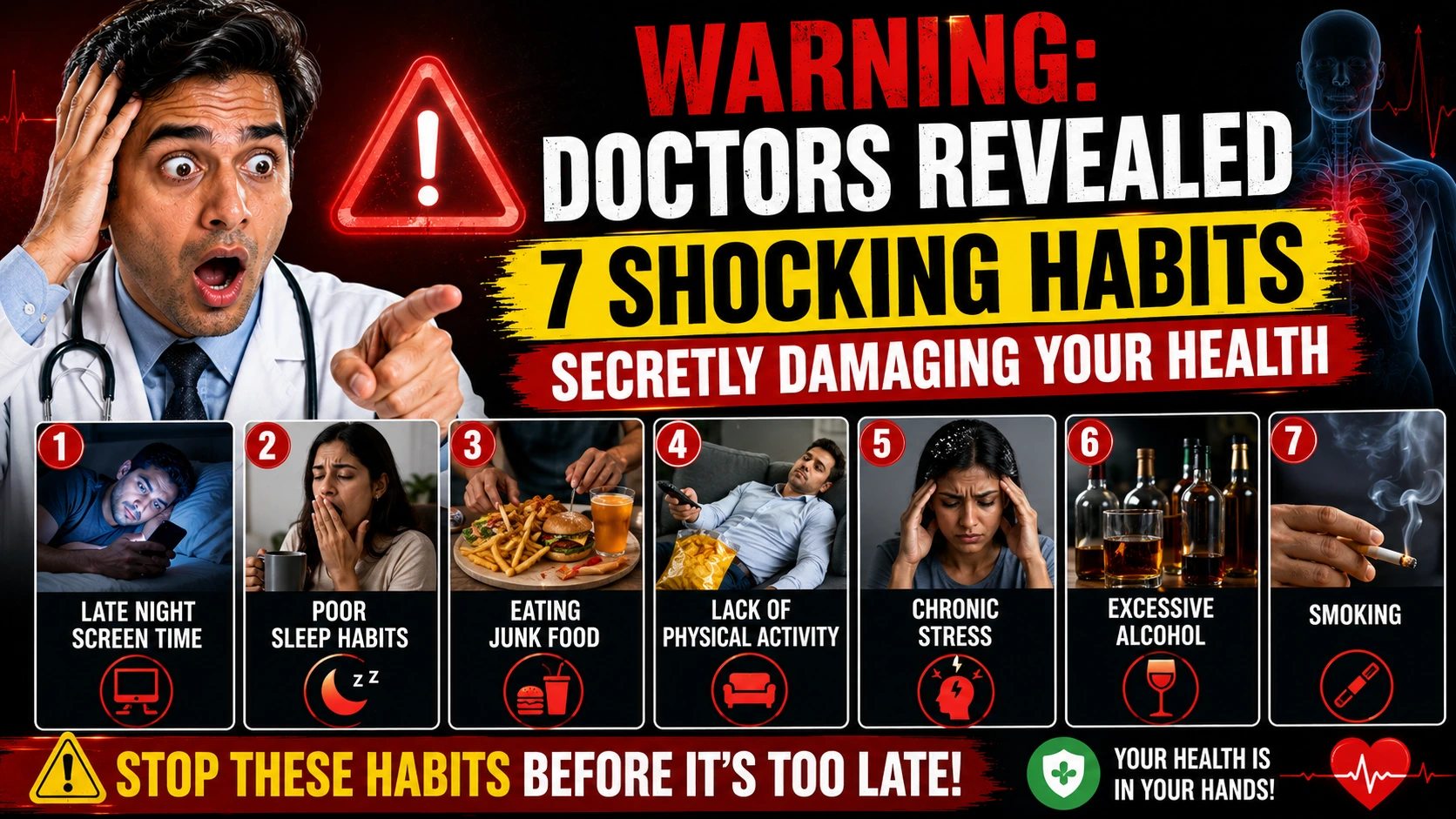
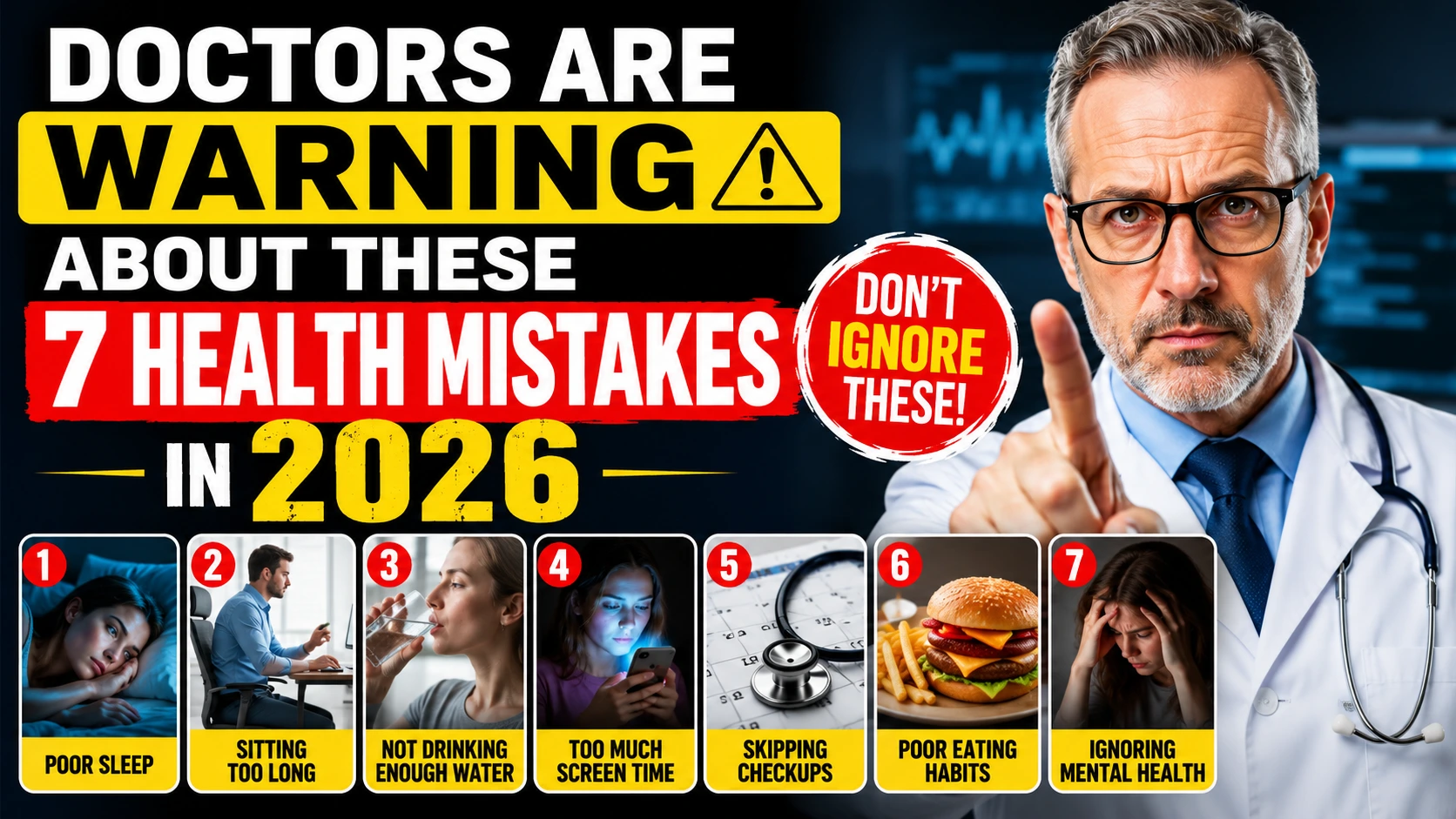
Health Mistakes in 2026 are easy to miss because they look “modern” (wearables, telehealth, AI health tips) but they still cause the same old problems: delayed care, wrong self-diagnosis, and habits that quietly drain your energy. If you’ve been Googling and second-guessing yourself, you’re not alone—Health Mistakes in 2026 often start with good intentions…and then drift.
Below, you’ll find 9 doctors warning health mistakes (with real-world examples) plus practical fixes you can use in 2026—no hype, no scare tactics.
- Read Also: Indian Tech Workers 60-Day Crisis
- Read Also: Latest AI News and Technology Updates
- Read Also: Health & Lifestyle Updates
Key Highlights
- Don’t treat your smartwatch like a clinician. It can’t confirm diagnoses or replace follow-ups.
- Stop “supplement stacking” without a plan. More pills isn’t automatically safer.
- Avoid antibiotic mistakes. Misuse fuels resistance and delays recovery.
- Keep vaccines and screenings current. Many “you feel fine” cases still need prevention.
- Sleep and stress still drive most health outcomes. Chronic short sleep costs you more than you think.
- Be careful with GLP-1 and hormone trends. Use them only with proper medical guidance.
- Watch for hidden meds interactions. Pain meds, cold meds, and “natural” products can collide.
- Preventation beats reaction. Lifestyle wins compound over years, not weeks.
1) Health Mistakes in 2026: Treating wearables like truth (and skipping care)
In 2026, you can get heart-rate alerts, sleep scores, and “stress” estimates in real time. That’s cool—until you start making medical decisions based on a device.
Why this mistake happens
- You see a warning and assume it means something serious right now.
- You get a “normal” reading and assume everything is fine.
- You postpone an appointment because “the data looks okay.”
Real-world use case
You feel tired, check your smartwatch, see “low stress,” and decide you don’t need a doctor. A few months later, lab work reveals anemia, thyroid issues, or sleep apnea—problems devices may miss entirely.
Best practice (what works and why)
- Use wearables for trends, not diagnoses.
- If symptoms show up, treat symptoms as the priority—not the app score.
- Share summaries (not raw screenshots) with your clinician.
Why it works: Devices measure signals; medicine interprets context (med history, exams, labs). That gap can cost time.

2) Doctors warning health mistakes: “Doctor-shopping” or delayed care because it feels awkward
Many people don’t avoid care because they don’t care—they avoid it because it feels uncomfortable:
- “I don’t want to sound dramatic.”
- “What if they tell me it’s nothing?”
- “I can’t explain my symptoms well.”
That avoidance quietly turns small problems into bigger ones.
Best practice
Try this approach when you book the appointment:
- Write symptoms in a timeline (start date, pattern, triggers).
- Note what you tried (and what happened).
- Bring “red flags” even if you feel silly:
- chest pain, shortness of breath
- fainting
- blood in stool/urine
- sudden weakness/numbness
- unexplained weight loss
Why it works: You reduce confusion. Clinicians can triage better and you waste less time.
3) “Antibiotics on standby” — Health Mistakes in 2026 that worsen resistance
If someone in your household had antibiotics “left over,” a common temptation appears: “Just take some if it feels like that again.”
That’s risky.
Real data (fact-checked)
The CDC reports that antibiotic resistance affects about 2.8 million people and causes about 35,000 deaths in the U.S. each year.
Why it happens
- People confuse viral infections (like colds) with bacterial ones.
- People stop early when they feel better.
- People self-dose using leftover meds.
Best practice
- Use antibiotics only when a clinician prescribes them for a likely bacterial infection.
- Finish the course exactly as directed (when prescribed).
- Ask: “What organism are we treating, and how long?”
Why it works: You reduce side effects and slow resistance.
4) Doctors warning health mistakes: Chasing “miracle” metabolism hacks and supplement stacking
In 2026, your feed can recommend 10 fat burners, 3 detox teas, and a collagen “stack” in one scroll. You might want it to work quickly—who doesn’t? But stacking increases the odds of:
- stomach issues
- liver stress (rare, but real)
- interactions with meds
- wasting money when a basic plan would help more
Real-world use case
You take a “hormone support” blend plus caffeine pre-workout plus a sleep supplement. Later you get palpitations and insomnia. No one piece looked dangerous—but the combo did.
Best practice (simple rules)
- Add one supplement at a time for 2–4 weeks (so you can spot reactions).
- Avoid mixing stimulants + sleep aids unless your clinician says it’s fine.
- Ask your doctor/pharmacist to check interactions—especially if you take:
- antidepressants
- blood thinners
- seizure meds
- blood pressure or diabetes meds

5) Skipping screenings because you “feel fine” (the silent Health Mistakes in 2026)
This one hurts to hear because it’s so common: you delay screening because symptoms never show up—until they do.
Real data
- The CDC notes that 6 in 10 adults in the U.S. have a chronic disease, and 4 in 10 have two or more.
Best practice
Use evidence-based screening schedules. A great starting point:
- USPSTF recommendations (prevention and screening guidance)
Ask your clinician:
- “What screenings do I need based on age, sex, and family history?”
- “Are any due this year even if I feel okay?”
Why it works: Many major conditions start quietly and respond best early.
6) Doctors warning health mistakes: Treating sleep like optional “recovery time”
You can be consistent with workouts and still feel awful if you under-sleep for months. Sleep affects appetite hormones, insulin sensitivity, inflammation, and mood.
Real-world use case
You work 60-hour weeks, drink caffeine after lunch, and tell yourself you’ll “catch up on weekends.” A year later, you develop weight gain, higher resting heart rate, and irritability. Sleep debt compounds.
Best practice
Aim for:
- 7+ hours for most adults
- fixed wake time (more important than perfect bedtime)
- caffeine cutoff (many people do best ~8 hours before bed)
- get evaluated for sleep apnea if you snore, choke/gasp, or feel unrefreshed
7) Pain and cold meds used like candy (hidden interaction risk)
You grab what’s available—ibuprofen for pain, decongestants for a cold, maybe an extra antihistamine. Then you wonder why your blood pressure spikes or your stomach burns.
Common pitfalls
- Combining products with overlapping ingredients (especially acetaminophen)
- Using NSAIDs (like ibuprofen) too often
- Treating allergies without addressing triggers (dust, pets, mold)
- Assuming “natural” means “no side effects”
Best practice
- Read labels for duplicate ingredients.
- If you use acetaminophen often, ask your clinician about a safe total daily limit.
- If you have kidney disease, stomach ulcers, or high blood pressure, ask before frequent NSAIDs.
Why it works: You prevent avoidable harm without stopping helpful symptom relief.

8) Ignoring stress chemistry and calling it “just life”
Stress isn’t only mental—it’s biological. Chronic stress can:
- worsen sleep
- change eating patterns
- raise blood pressure
- increase inflammation signals
Best practice (works for real schedules)
Pick at least one daily “interrupt”:
- 10 minutes of walking after lunch
- a short breathing routine (like 4 seconds in / 6 seconds out)
- journaling for 5 minutes
- therapy or coaching if you feel stuck
Why it works: You lower the “always on” stress response. That makes your health habits easier to sustain.
9) Doctors warning health mistakes: Misusing GLP-1s, “online dosing,” or skipping medical follow-up
In 2026, GLP-1 medications (and similar metabolic drugs) get discussed everywhere. Many people benefit—many also get into trouble when they chase quick results without supervision.
Real-world use case
You start a GLP-1 because a friend lost weight fast. You don’t track side effects carefully. Later you’re dealing with dehydration, severe constipation, or symptoms that need dose adjustment and medical support.
Best practice
If you use GLP-1 or you’re considering it:
- only follow dosing plans from a licensed clinician
- monitor side effects (hydration, GI symptoms)
- ask about long-term strategy: nutrition, protein, resistance training, and follow-up labs
A fact-backed example (why meds sometimes work)
For people with obesity and cardiovascular risk, semaglutide reduced major cardiovascular events in the SELECT trial (reported in The New England Journal of Medicine).
(Your personal fit still depends on your health history—don’t copy someone else’s plan.)
Quick checklist: Avoid the biggest Health Mistakes in 2026 this month
Use this as a sanity check:
- Schedule prevention (screenings, vaccines) instead of waiting for symptoms.
- Use devices for trends, not final answers.
- Don’t self-prescribe antibiotics or “borrow” leftover meds.
- Limit supplement chaos: one change at a time, check interactions.
- Prioritize sleep like it affects your job performance—because it does.
- Track meds overlaps (especially cold/flu products).
- Reduce stress daily with something small and repeatable.
- If using GLP-1s or hormone-related treatments: stay under clinician follow-up.
Conclusion
Health Mistakes in 2026 aren’t about a lack of information. They come from trusting the wrong thing at the wrong time—an app score instead of symptoms, leftovers instead of prescriptions, or prevention schedules only after something breaks.
If you feel overwhelmed, good—you’re paying attention. Pick one mistake from the list and fix it this month. The goal isn’t perfection. It’s momentum, safer decisions, and fewer “why didn’t I address this sooner?” moments.
If you want, tell me your biggest health worry (sleep, weight, chronic pain, gut issues, stress, or something else), and I’ll help you turn one of these into a realistic 7-day action plan.
FAQs (the stuff people hesitate to ask)
What are the most common Doctors warning health mistakes they see in 2026?
Delayed appointments, overconfidence in online info, antibiotic misuse, and supplement stacking without interaction checks.
Should I ignore my wearable alerts?
No—bring them up. But don’t treat one reading as a diagnosis. Look for patterns and pair them with symptoms.
What if I’m too busy to handle “all of this”?
Start with prevention + sleep + one daily stress interrupt. You can build from there without burning out.