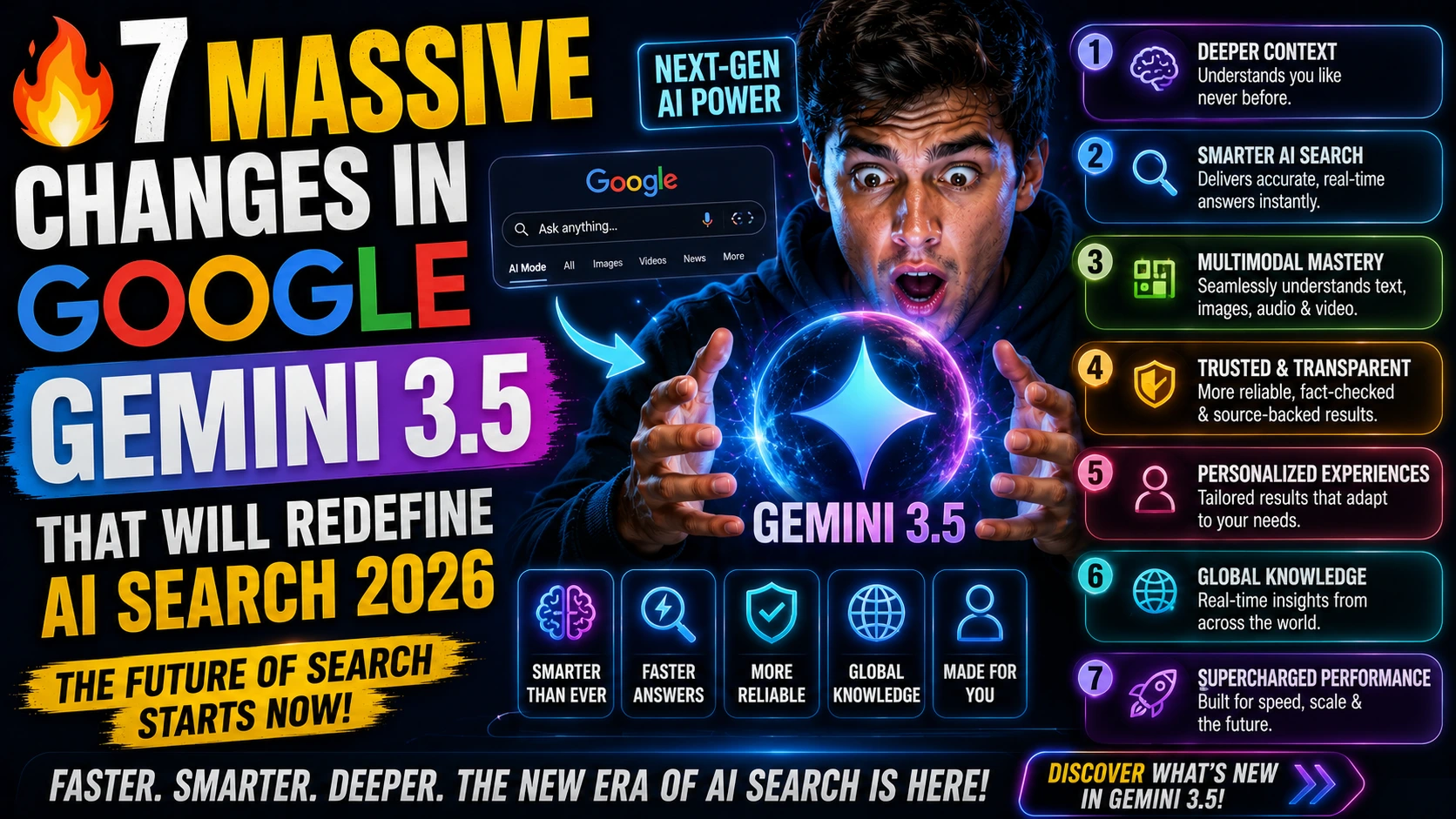
Google Gemini 3.5 is already changing search — and yes, it’s bigger than you think.
Google Gemini 3.5 is not just another AI release. It is the backbone of AI Search 2026, powering smarter answers, deeper context understanding, and a completely different ranking ecosystem.
If you care about:
- SEO
- Digital marketing
- Content creation
- Tech careers
- Or just staying relevant online
You need to understand what’s happening.
And you need to understand it now.
🚀 Key Highlights
- Google Gemini 3.5 powers AI Search 2026 results
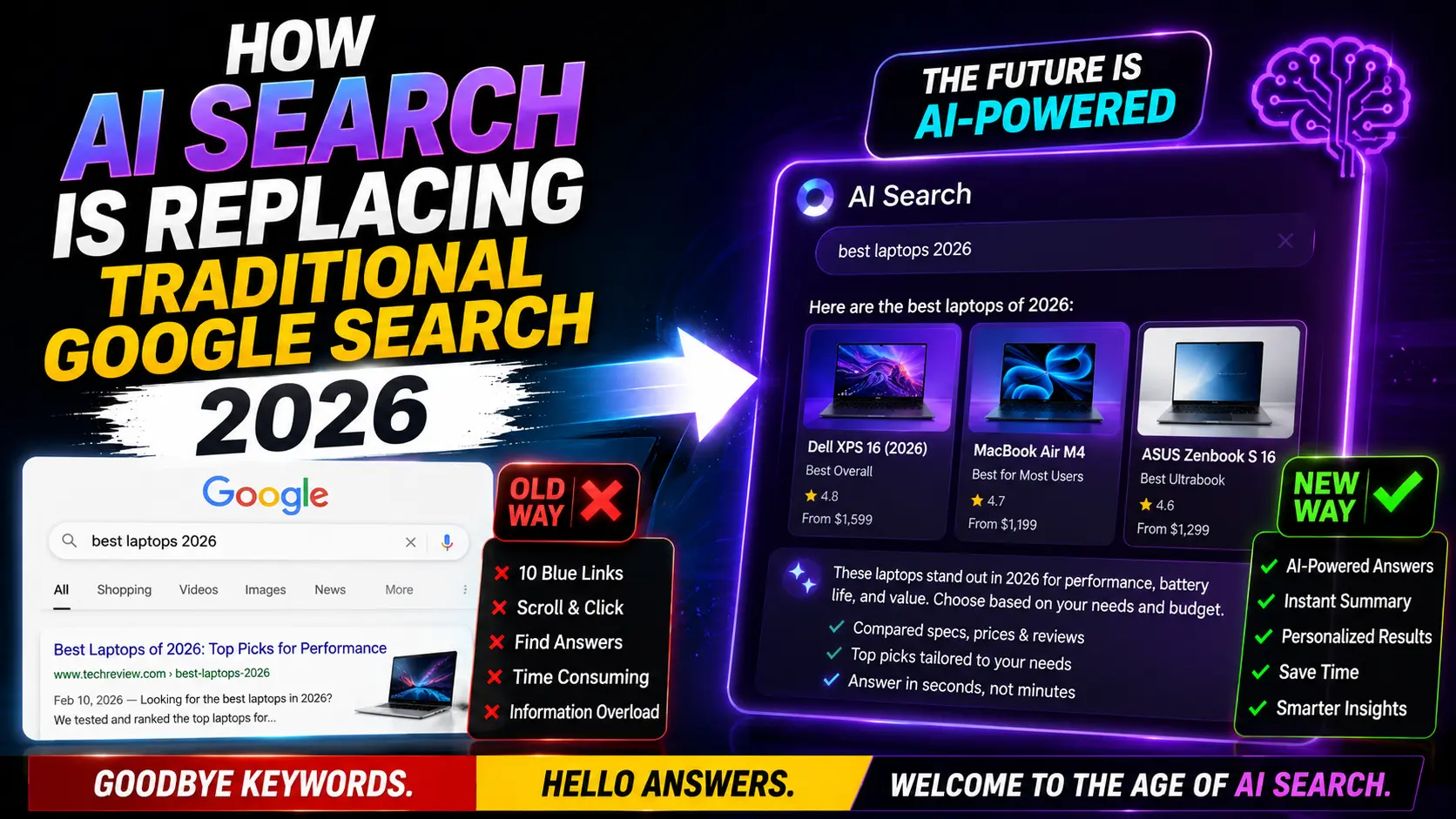
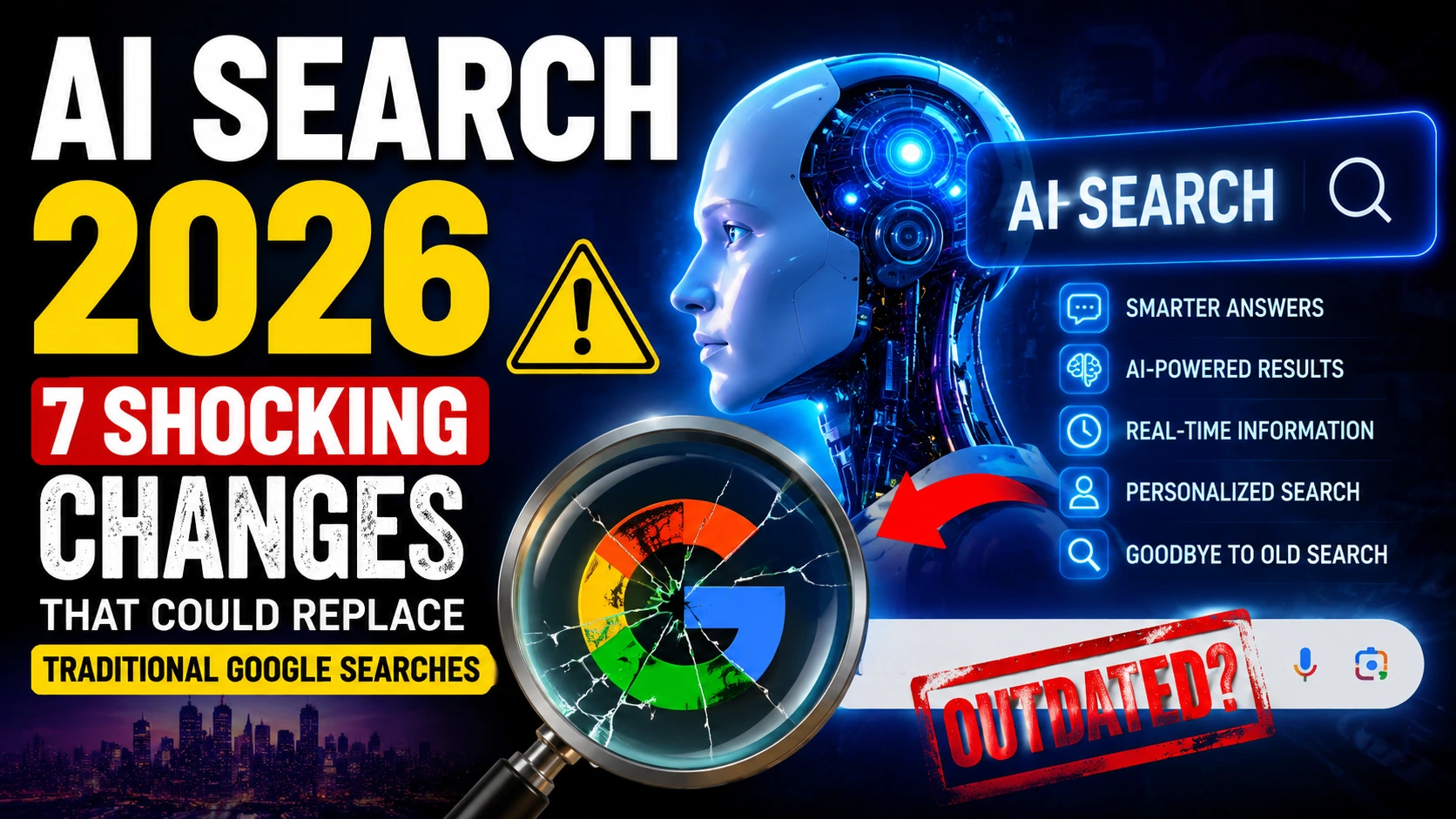
- AI-generated summaries are replacing traditional blue links
- Context-based ranking matters more than keyword density
- Experience + authority signals are stronger than ever
- Voice and multimodal search are exploding
- Structured data is no longer optional
- SEO is shifting from keywords → problem-solving depth
What Is Google Gemini 3.5?
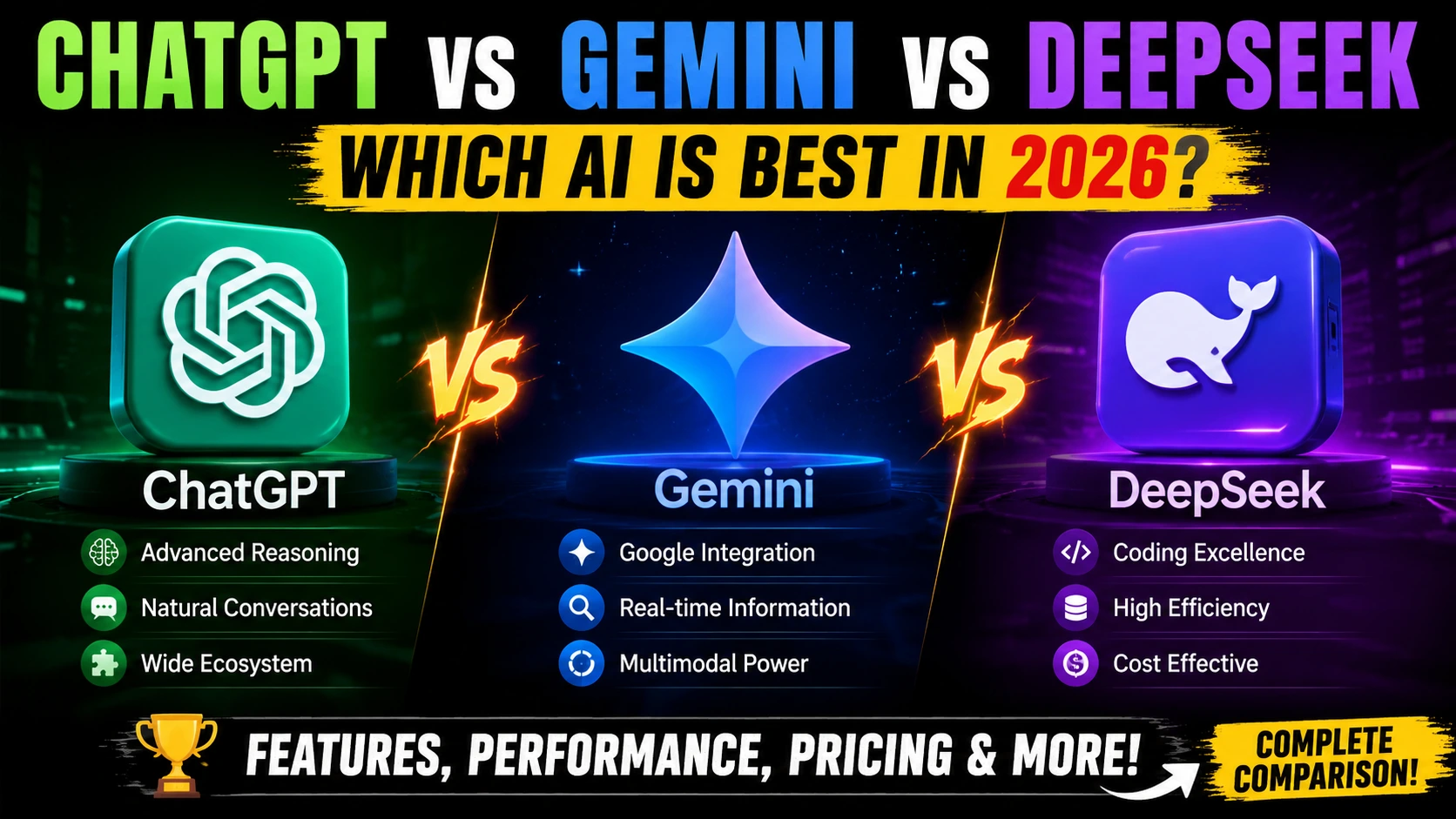
Google Gemini 3.5 is Google’s advanced multimodal AI model, integrated into Search, Workspace, Android, and developer tools. It builds on earlier Gemini versions with:
- Faster reasoning
- Improved long-context memory
- Better factual grounding
- Stronger code and logic performance
- Deep integration with Google Search infrastructure
According to Google’s official AI updates, Gemini models are designed to combine reasoning, multimodal understanding (text, image, video), and search-quality signals.
Unlike earlier AI systems, Gemini 3.5 isn’t separate from Search.
It is Search.
That’s the shift.

How Google Gemini 3.5 Is Transforming AI Search 2026
1️⃣ AI Overviews Are Now the First Result
With the Google AI Update, AI-generated answers often appear above organic results.
Instead of:
10 blue links
Users now see:
A synthesized AI answer pulling from multiple sources
This means:
- Ranking #1 doesn’t guarantee visibility
- If Gemini doesn’t cite you, you don’t exist
That’s uncomfortable.
But it’s real.
2️⃣ Search Intent > Keywords (Finally)
For years, people obsessed over:
- Keyword density
- Exact match domains
- Meta tag stuffing
Now?
Google Gemini 3.5 analyzes intent clusters.
If someone searches:
“Best laptop for AI development 2026”
Gemini evaluates:
- Budget range
- GPU requirements
- Framework compatibility
- Developer use case
It doesn’t just match words.
It understands the situation.
That’s a huge leap for AI Search 2026.
3️⃣ Context Memory Is Longer Than Ever
Gemini 3.5 can process significantly longer context windows compared to earlier models.
This means:
- Long-form content performs better
- Comprehensive guides rank higher
- Thin content disappears
If your article is 600 words of fluff, it’s invisible.
If it deeply solves a problem?
Gemini notices.

Gemini AI Features That Matter for SEO
Let’s break down the Gemini AI Features that directly impact rankings.
✅ Multimodal Search
Users can:
- Upload images
- Ask follow-up questions
- Combine voice + text
Example:
A user uploads a damaged laptop image and asks:
“Can this run AI tools like TensorFlow?”
Gemini analyzes:
- The model
- Specs
- Visual clues
Your content must now support:
- Image search relevance
- Structured product data
- Clear technical breakdowns
✅ Conversational Follow-Ups
Search is no longer one query.
It’s a dialogue.
“Best AI laptop under $1500”
“What about battery life?”
“Compare with MacBook Air M3”
If your content:
- Answers layered questions
- Anticipates follow-ups
- Provides comparisons
You increase AI citation probability.
✅ Source Credibility Weighting
Google confirmed repeatedly that E-E-A-T (Experience, Expertise, Authoritativeness, Trustworthiness) remains critical.
Gemini evaluates:
- Author bios
- Topical authority
- Backlink quality
- Consistency of information
According to Search Engine Journal, authority signals are now reinforced by AI model training signals.
So random AI-written content with no expertise?
It struggles.
Real-World Use Case: What Happened to Affiliate Sites?
In late 2024–2025, many thin affiliate websites lost 40–70% traffic (based on industry case studies shared on Ahrefs and SEMrush blogs).
Why?
They:
- Rewrote manufacturer descriptions
- Added no expert insight
- Lacked real testing
Meanwhile, sites that:
- Included personal testing data
- Shared real benchmarks
- Added original photos
Survived and grew.
Gemini favors depth + authenticity.
What This Means for Your Career in AI & SEO
Let’s talk honestly.
You might feel:
- Overwhelmed
- Behind
- Worried about automation
That’s normal.
But here’s the opportunity:
AI Search 2026 needs strategists, not keyword stuffers.
High-demand skills now include:
- AI content architecture
- Structured data implementation
- Technical SEO
- Entity-based optimization
- Prompt engineering for search modeling
According to the World Economic Forum Future of Jobs Report, AI-related skills are among the fastest-growing globally.
If you adapt, your value increases.
If you resist, it gets harder.
5 Best Practices to Rank in Google Gemini 3.5
1️⃣ Write for Problems, Not Keywords
Instead of:
“Best AI Tools 2026”
Write:
“Which AI Tool Should a Beginner Developer Choose in 2026?”
Why it works:
- Aligns with intent clusters
- Encourages conversational indexing
2️⃣ Use Structured Data (Schema Markup)
Implement:
- FAQ schema
- HowTo schema
- Product schema
- Author schema
Gemini relies heavily on structured signals.
Without schema, you’re invisible in AI summaries.
3️⃣ Show Real Experience
Add:
- Screenshots
- Data charts
- Case studies
- Real numbers
Example:
“In a 3-month test, traffic increased 38% after adding structured FAQs.”
Specificity builds trust.
4️⃣ Create Topic Clusters
Don’t write isolated posts.
Build:
- Pillar page on Google Gemini 3.5
- Supporting posts:
- Gemini AI Features Explained
- AI Search 2026 SEO Strategy
- Google AI Update Timeline
Internal linking strengthens topical authority.
5️⃣ Optimize for Conversational Queries
Add sections like:
- “What happens if…”
- “Is it worth…”
- “Can beginners use…”
These mirror real search behavior.
The Bigger Picture: Google AI Update Strategy
Google’s direction is clear:
- Fewer clicks
- More instant answers
- Higher content standards
According to Google’s Search Central documentation:
The focus remains:
“Helpful, reliable, people-first content.”
Gemini amplifies that principle.

The Future of AI Search 2026 (What Nobody Talks About)
Here’s what most blogs won’t tell you.
Traffic may decline.
Yes.
But:
Authority brands will gain more visibility.
Search will reward:
- Depth
- Real-world insight
- Specialized knowledge
The internet is moving from:
Mass generic content
To:
High-trust expert ecosystems
If you build expertise now, you benefit long-term.
Final Thoughts: Should You Be Worried?
When I look at Google Gemini 3.5, I don’t see destruction.
I see evolution.
Yes, SEO is harder.
Yes, AI Search 2026 feels intimidating.
But every major Google update created new winners.
The question is simple:
Will you adapt early — or react late?
If you:
- Build authority
- Solve real problems
- Show genuine expertise
- Embrace Gemini AI features
You won’t just survive.
You’ll dominate.
FAQs
What is Google Gemini 3.5 used for?
Google Gemini 3.5 powers AI-driven search results, multimodal queries, coding assistance, and advanced reasoning tasks across Google products.
How does Google Gemini 3.5 affect SEO?
It prioritizes context, expertise, structured data, and intent-based content over keyword-heavy pages.
Is AI Search 2026 replacing traditional search?
Not fully. It enhances traditional search with AI summaries, conversational results, and multimodal capabilities.
What are the main Gemini AI features?
Multimodal understanding, long-context memory, advanced reasoning, conversational follow-ups, and deeper integration with Google Search.
How can websites rank in Google AI updates?
By creating expert-level content, using schema markup, building topical authority, and aligning with real search intent.